
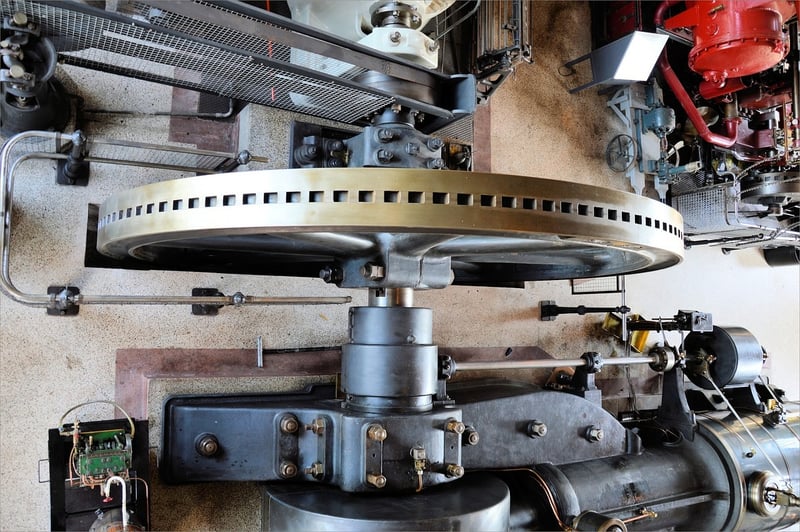
Exploring Key Historical Moments: The Industrial Revolution
The Industrial Revolution was a period of significant technological, economic, and social change that began in the late 18th century. This era saw the transition from manual labor to machine-based manufacturing, leading to profound impacts on society and the economy.
The Beginnings of the Industrial Revolution
The Industrial Revolution originated in Britain before spreading to other parts of the world. It was characterized by the invention of new machinery, the development of steam power, and the growth of factories. This period marked a shift from agrarian economies to industrial economies.
Key Inventions and Innovations
During the Industrial Revolution, several key inventions revolutionized production processes. The spinning jenny, steam engine, cotton gin, and power loom were among the notable innovations that transformed industries such as textiles, transportation, and agriculture.
Steam Engine

Spinning Jenny

Social and Economic Impact
The Industrial Revolution had far-reaching consequences on society. It led to urbanization as people migrated from rural areas to cities in search of employment. Working conditions in factories were often harsh, giving rise to labor movements and the fight for workers' rights.
Legacy of the Industrial Revolution
The Industrial Revolution laid the foundation for modern industrial societies, shaping the world we live in today. It accelerated technological progress, increased production efficiency, and changed the way goods were manufactured and distributed.
Exploring the key historical moments of the Industrial Revolution provides valuable insights into the evolution of industry, technology, and society. It remains a pivotal period in history that continues to influence our lives in the present day.